Generations : interpreting Iron Age ceramics
digital ceramics, 2025
 3D-printed and hand sculpted earthenware, mineral pigment, wax, twine. Various dimensions.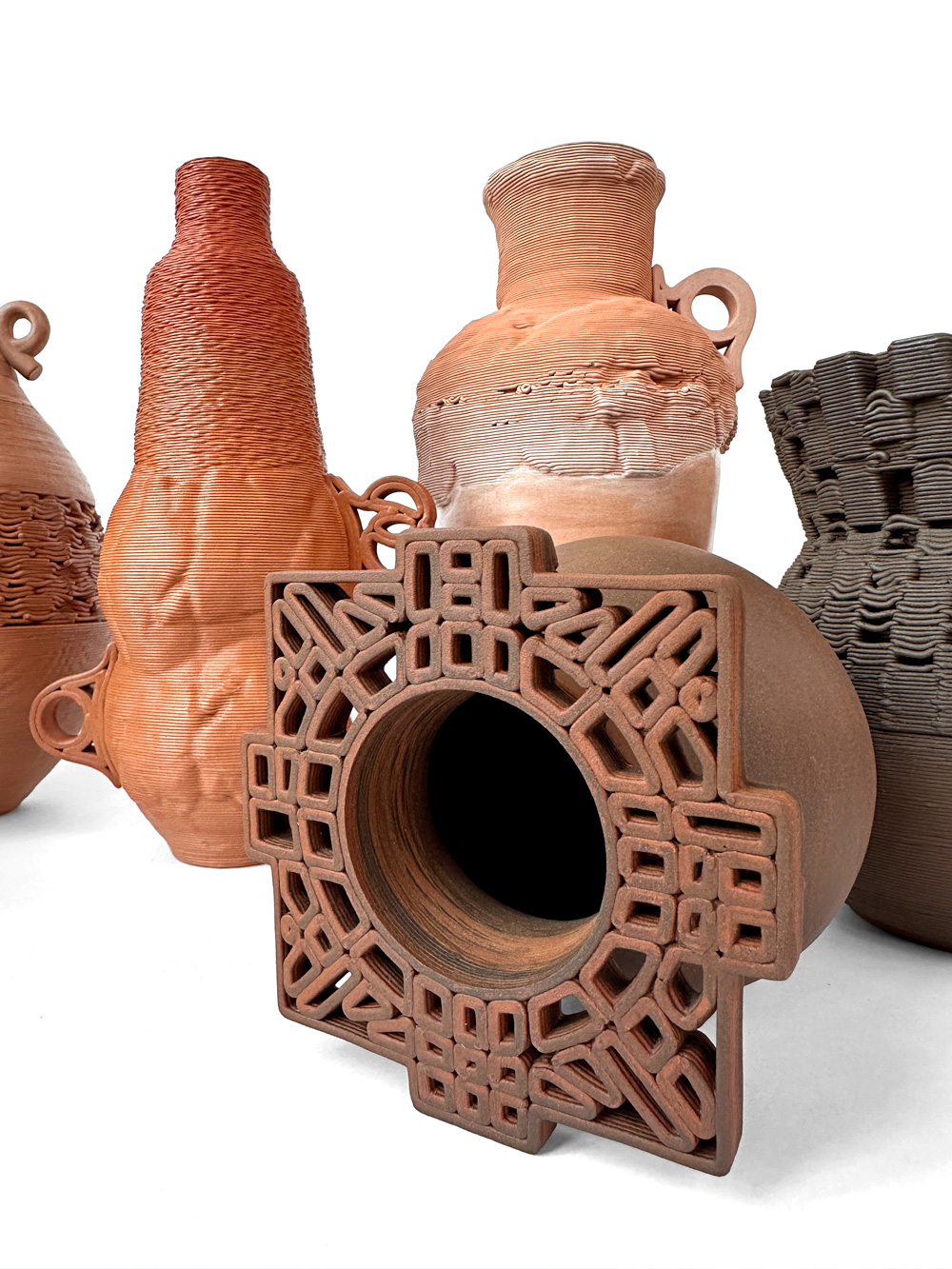
Set detail.
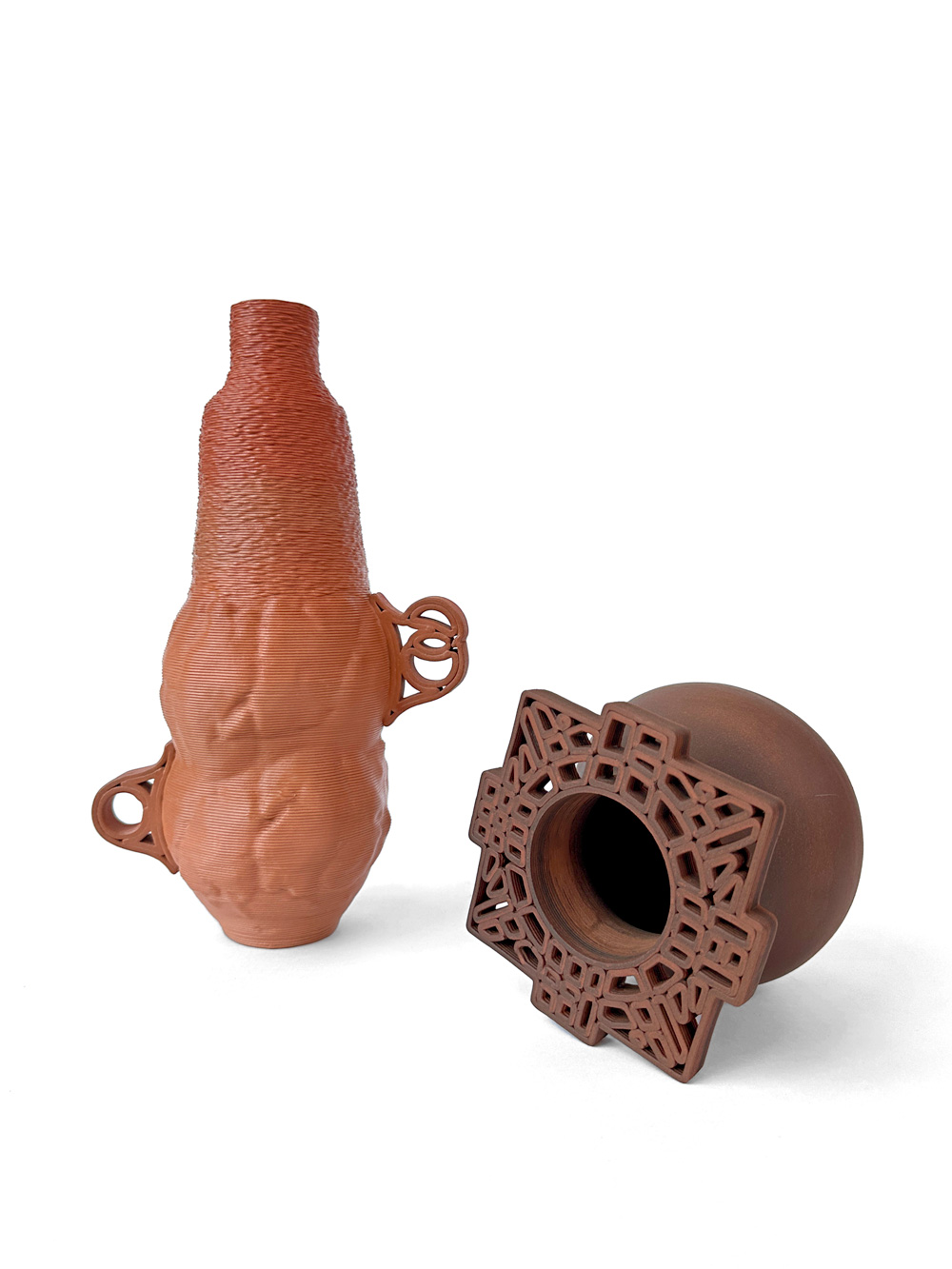 Mug vase and Window jar; 3D printed and hand sculpted earthenware, wax and mineral pigment, 2025. 15 x 15 x 35 cm and 18 x 18 x 20 cm.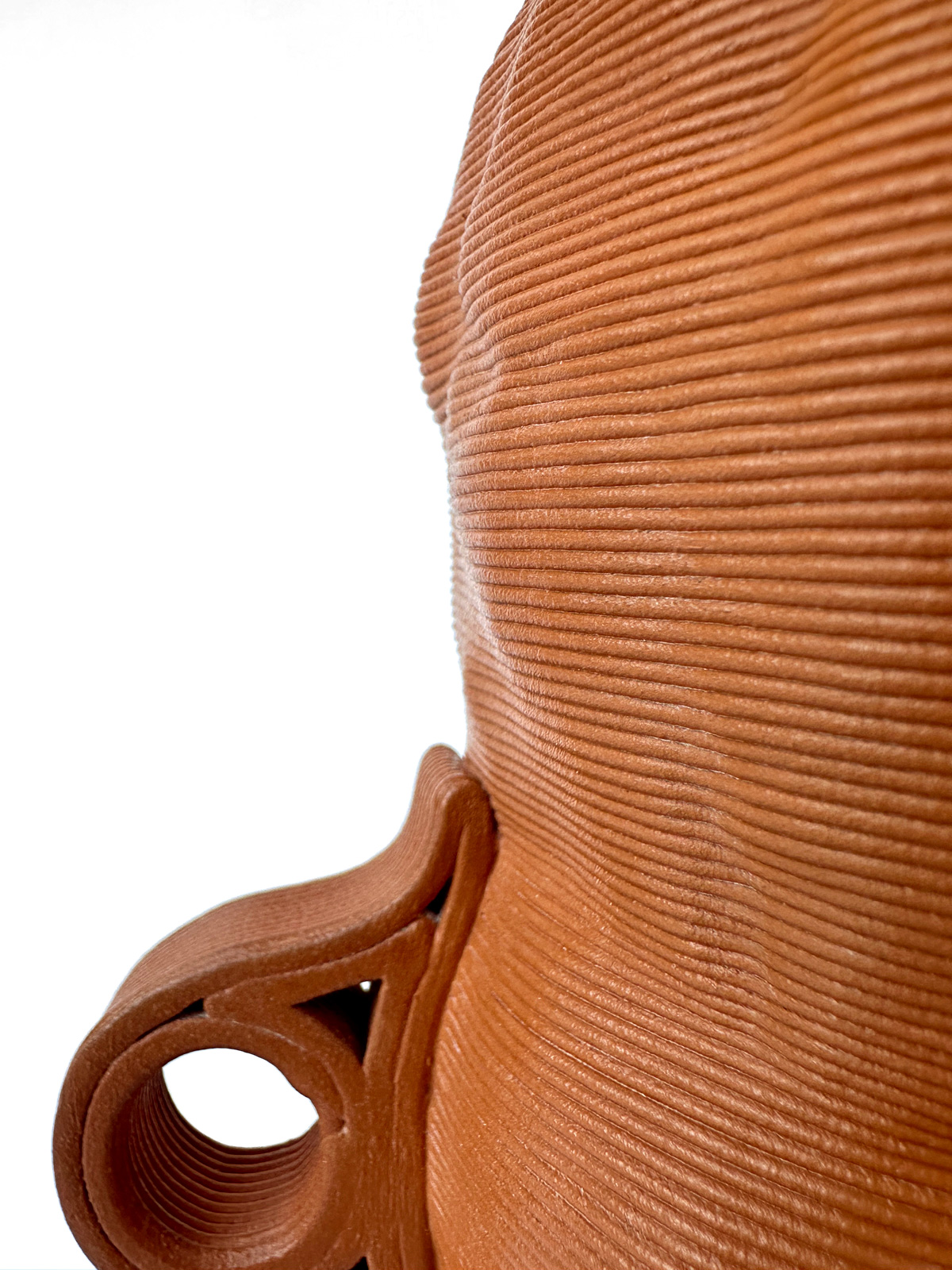
Detail, Mug vase.
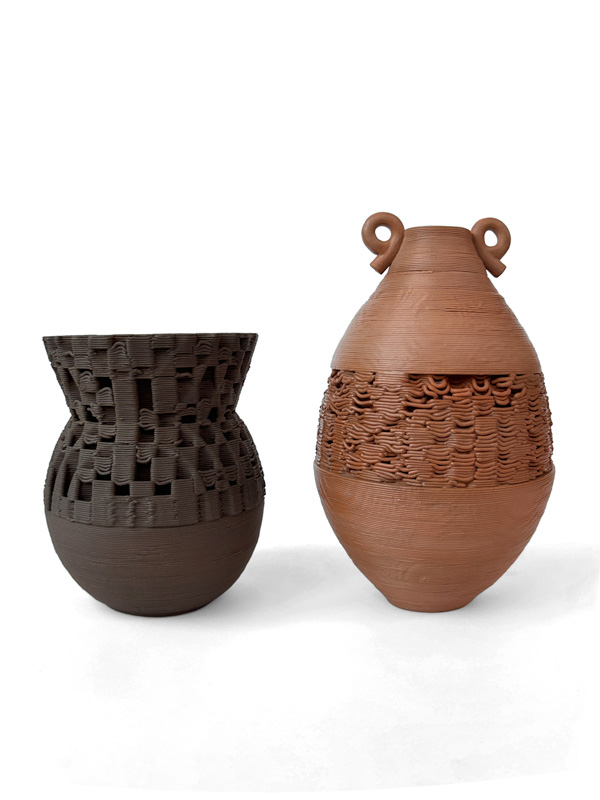 Fracture pot and Ear urn; 3D printed and hand sculpted earthenware, wax and mineral pigment, 2025. 20 x 20 x 26 cm and 19 x 19 x 31 cm.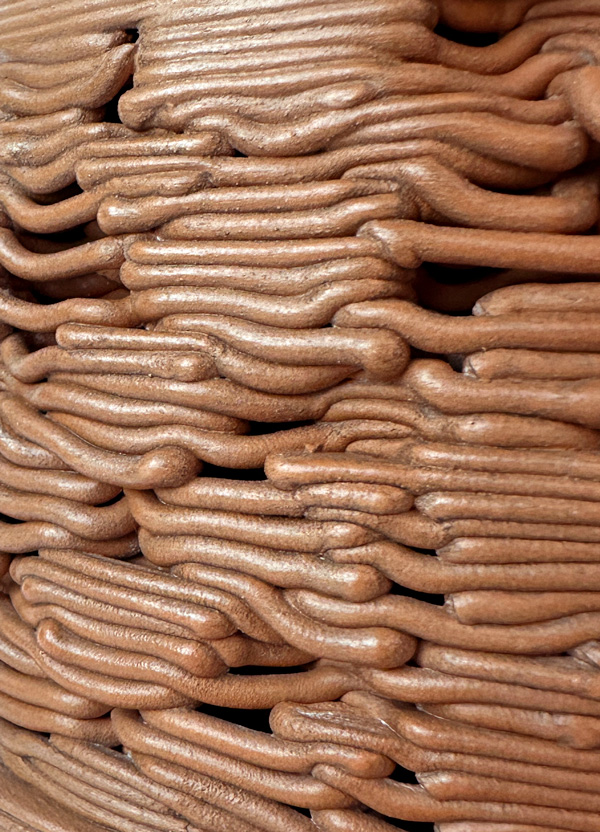
Detail, Ear Urn.
 Wavy jar and Standing jug; 3D printed and hand sculpted earthenware, wax, mineral pigment, twine, 2025. 20 x 19 x 24 cm and 20 x 20 x 38 cm.
Generations reinterprets a set of Danish Iron Age clay vessels (500 BC–400 AD) from Horsens Museum's collection as new ceramic sculptures. The ancient pots look plain at first, but they were used for everything from cooking to burial rituals. Many were found in excavations at sites like Hedegård, as well as in farmers' fields and construction sites around Horsens municipality. I'm not trying to recreate these pots. I want to know what new forms can come from treating historical designs as raw material for contemporary ones.
My process brings together four kinds of artifacts: historical (the museum pots), digital (3D models), machine (the clay 3D printer), and human (my own hand). The digital models come from two directions: photogrammetry, which rebuilds a vessel as a 3D model from photographs of the original, and generative tools that produce invented forms from written descriptions. Neither is a finished design. Both are starting points I test, then keep, change, or discard once I'm working on the printer and by hand.
The project resulted in a series of sculptural ceramics, each one made by taking a reconstructed or invented form and reworking it: adjusting proportions, combining elements from different pots, redrawing a surface. The finished vessels carry traces of both the real and the invented, and they read as ancient and futuristic at the same time. Working this way has made history something I can participate in rather than look at.
Special thanks to ceramicist Anna Andersen and Horsens Museum for their collaboration in this project.

Fetching artifacts from the archives.

Photographing artifacts at the museum’s offices.
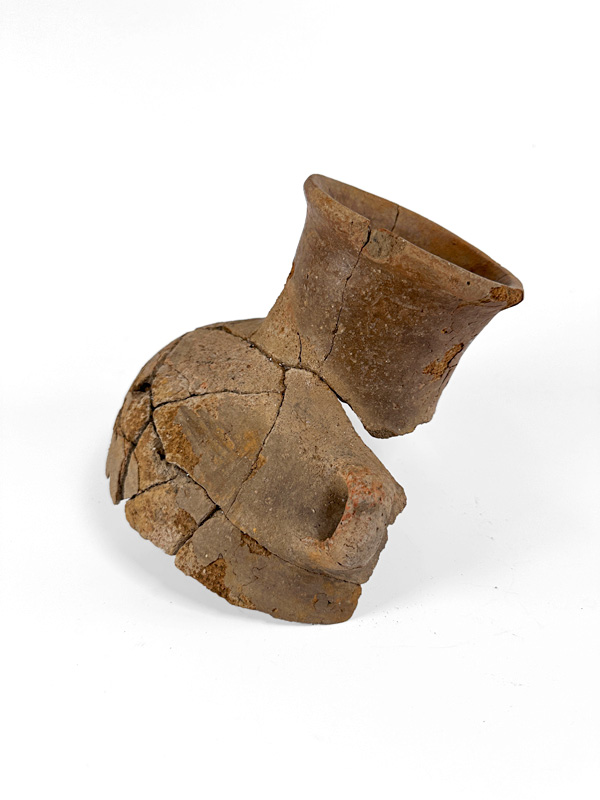
Iron Age clay jug fragment, from the collection at Horsens Museum.
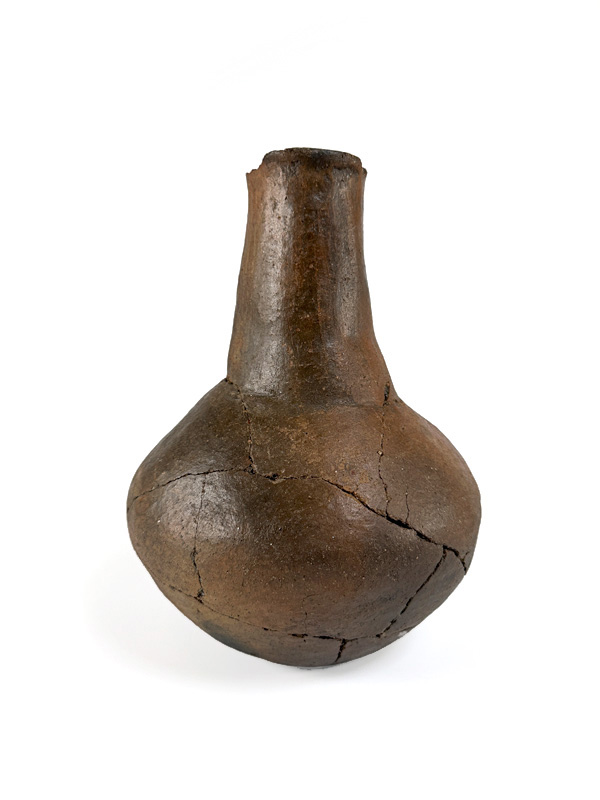
Iron Age clay flask, , from the collection at Horsens Museum.
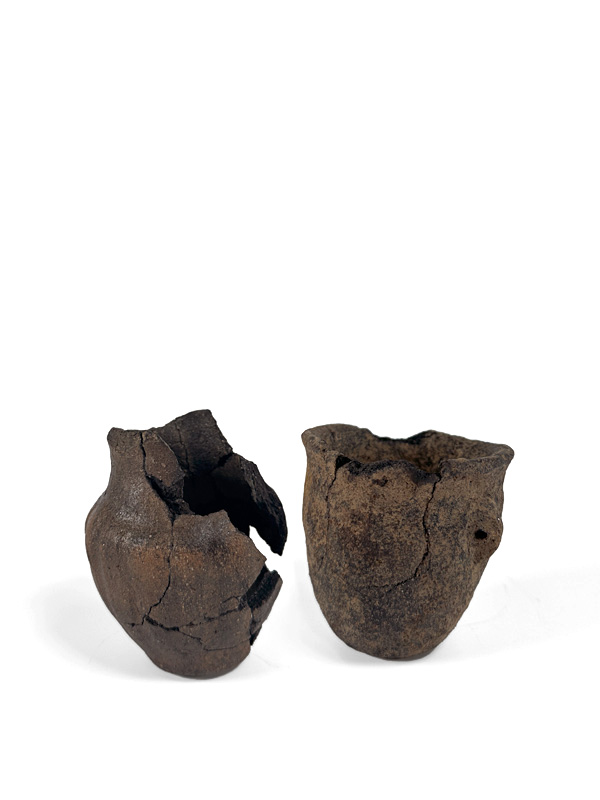
Iron Age clay pots, from the collection at Horsens Museum.
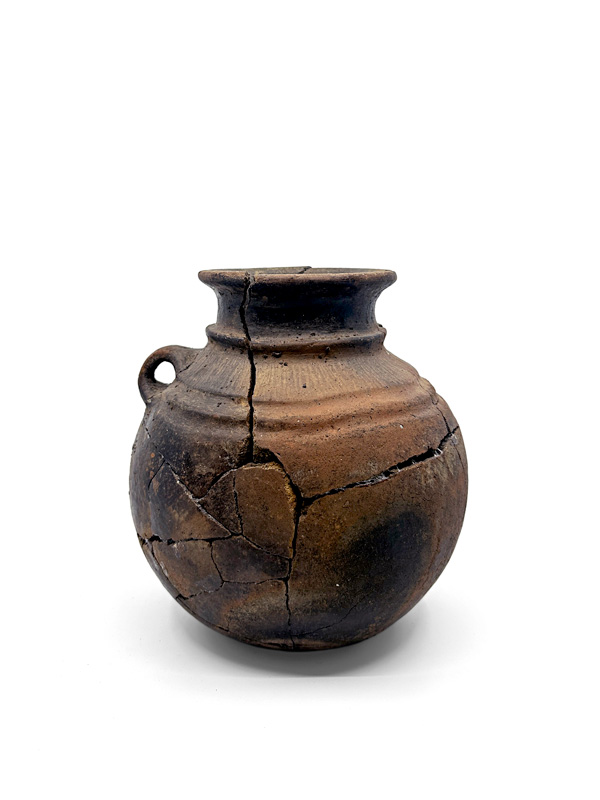
Iron Age clay jug, from the collection at Horsens Museum.
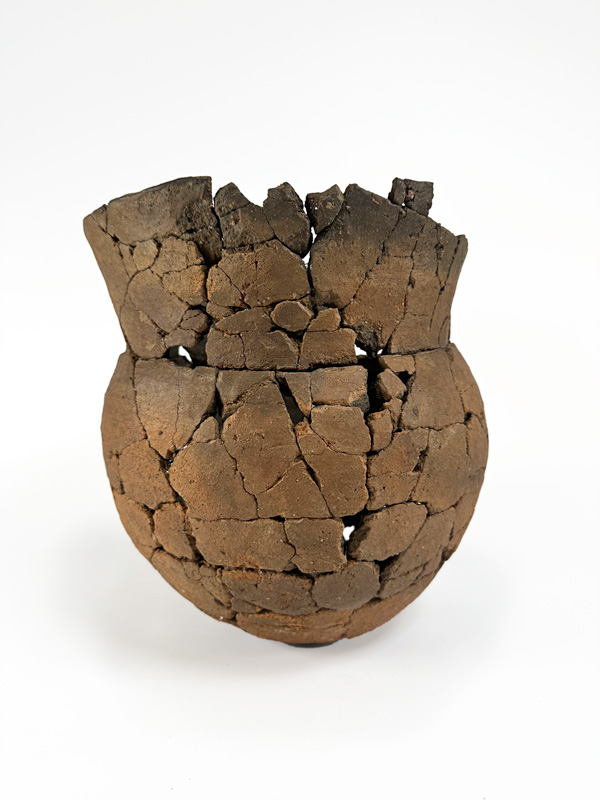
Iron Age pot, excavated in Horsens, DK.
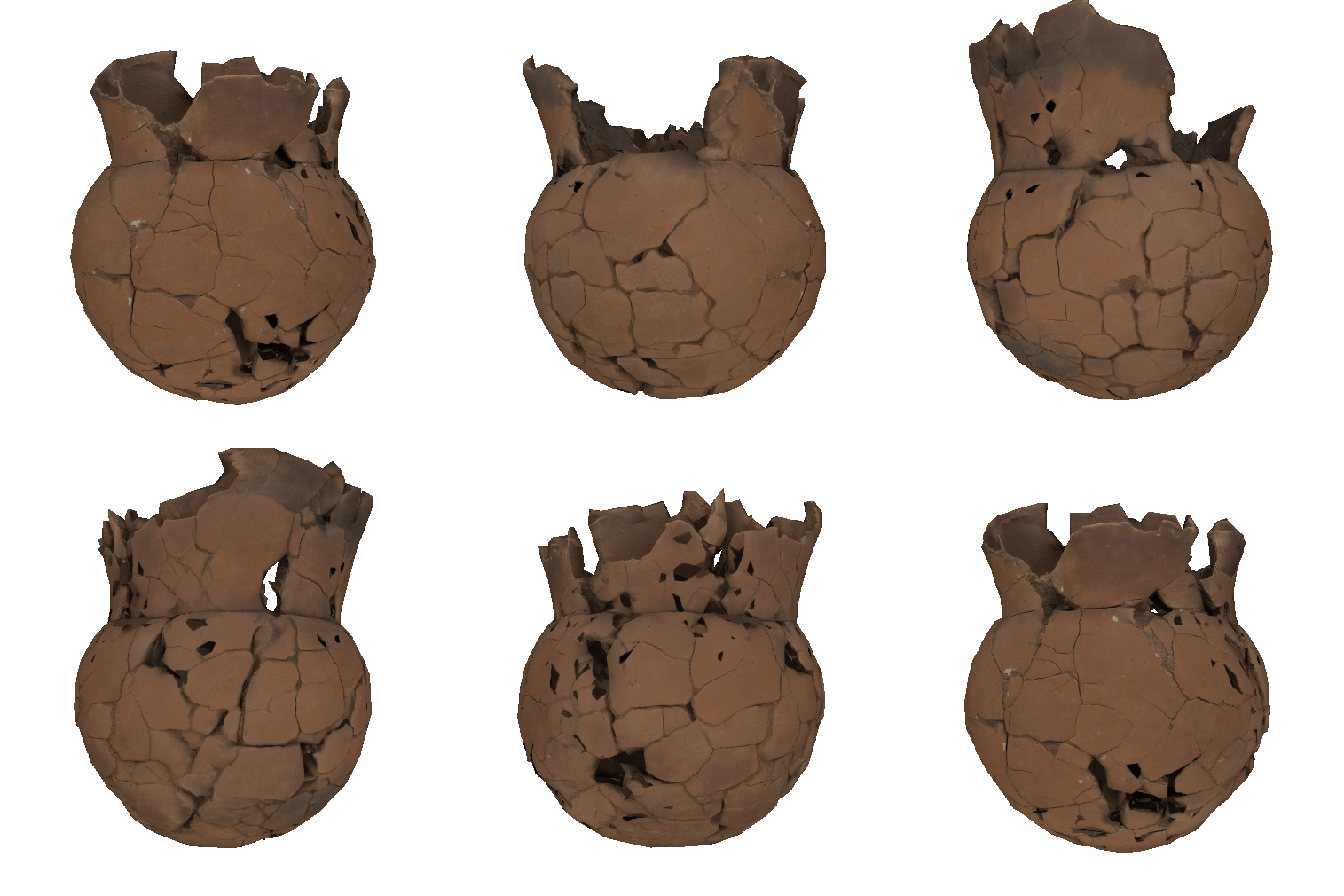
AI-generated 3D model, made using photographs of the pot.
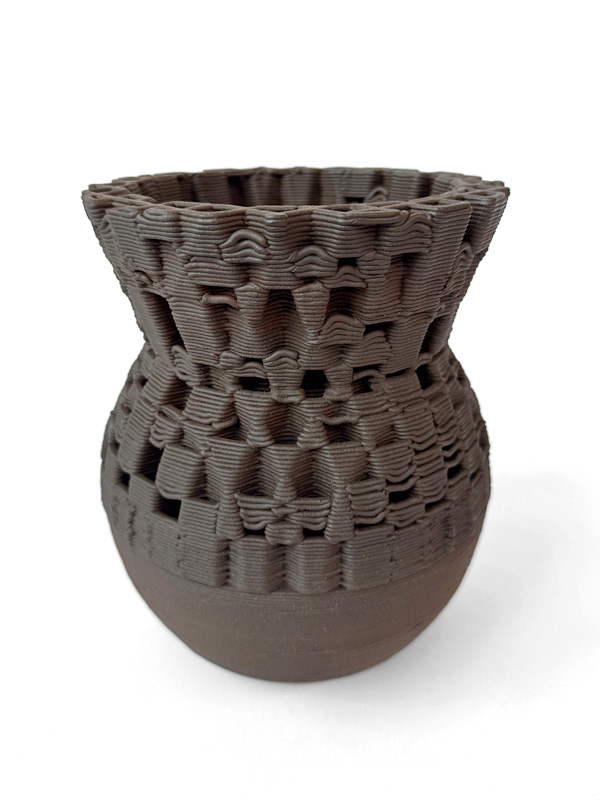
Fracture pot; 3D-printed and hand sculpted earthenware. 20 x 20 x 26 cm.
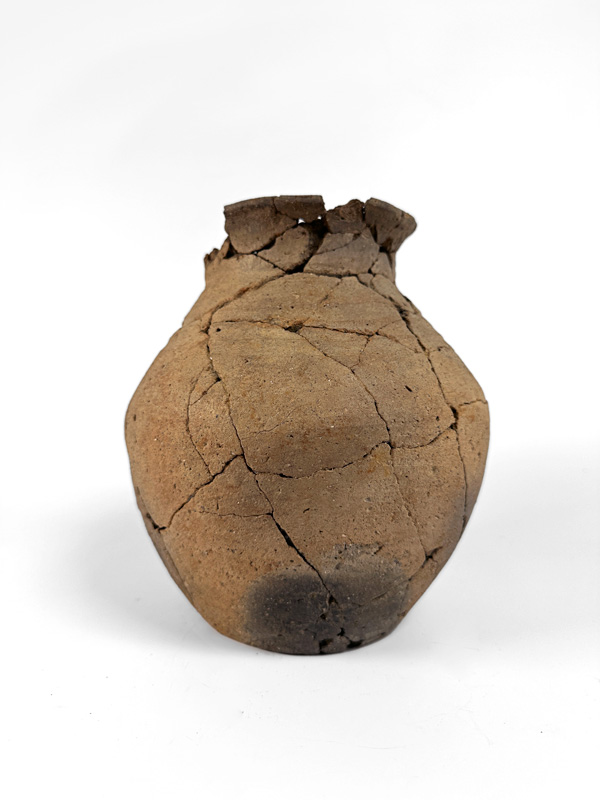
Iron Age pot, excavated in Horsens, DK.
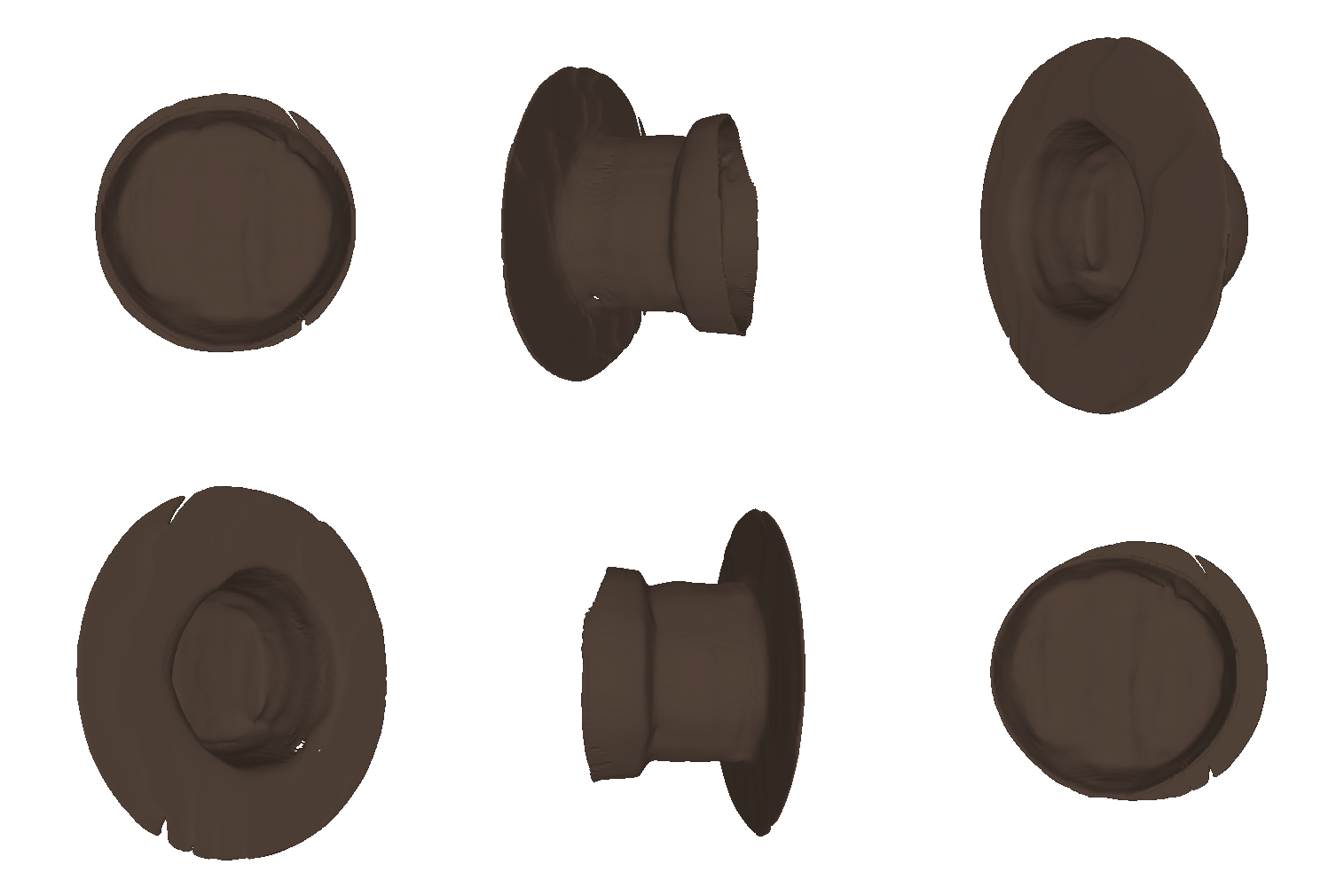
AI-generated 3D model of a “Danish Iron Age pot excavated in Horsens, Denmark.”
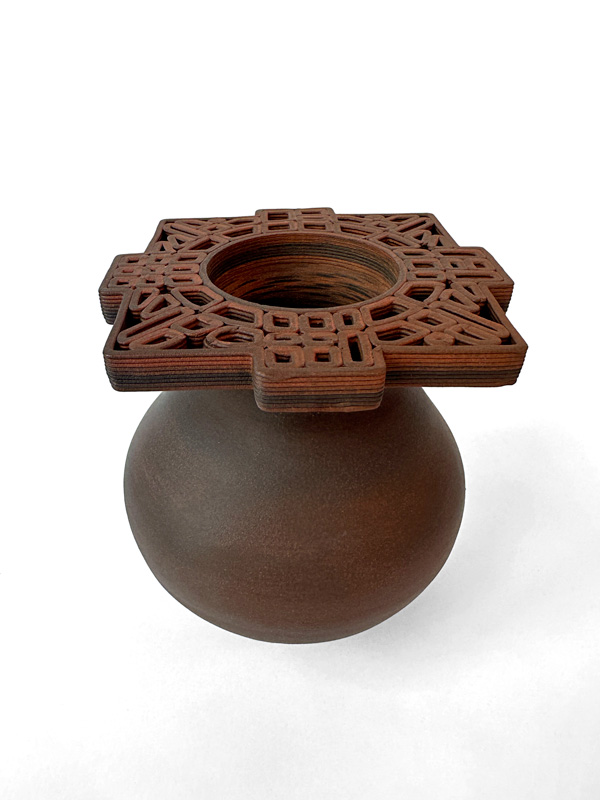
Window jar; 3D-printed and hand sculpted earthenware, wax. 18 x 18 x 20 cm.